
There’s a lot of graduating going on these days and more to come. Bravo to all the teachers and learners who are making it happen. It’s time for celebration and reflection. A common commencement address theme is that of the career. My research suggests that some students don’t think seriously about their careers until long after graduation. My teaching experience is further evidence of this – despite best efforts. It was also my workplace experience that many people don’t look ahead at their careers. Most people spend more time thinking about jobs.
Recently I asked 48 Canadian senior executives about their careers to identify barriers and enablers to career advancement. The interviews were quite personal and very reflective. In many cases these executives from across Canada shared their life stories with me. Most of these people had achieved career success seemingly by all standards. Following a reasonably rigorous methodology, I identified the most common barriers and enablers to their career advancement.
The research considered early career, mid career, and mature career phases. A key observation from early career reflection was that careers start in school. Executives considered their early years and education as part of their career story. At mid career, the most common enablers to career advancement identified in this research were:
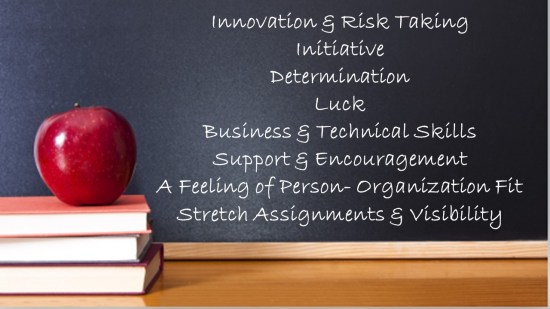
There were fewer barriers described by participants which suggests an overall forward progression for their careers. They typically had worked in 5.3 organizations and had 9.3 positions over their careers. Half had lived and worked in more than one region of Canada. Of the barriers, more were described by women than men.
Career highlites for these executives came from advancing the careers of others and from paying it forward through mentorship. Mature career reflection featured this theme of sharing career luck with others who are at an earlier career stage. There were a few laments about promotions missed, and money lost but mostly it was full circle, back to commencement, right around when it all began.
So, graduates, soon-to-be graduates, and students consider these two questions: When did your career start? What are your emerging career advancement enablers? Maybe you’re experiencing post-commencement career advancement.

 ope, and I take this position, in part because I had the privilege of listening to the life stories of men and women from across Canada as part of a research project which I undertook a couple of years ago. I learned that all of us face barriers and enablers to career advancement – mostly barriers. I also learned, by listening, that women face many more barriers than do men. We don’t seem to make it any easier for them, but we should. We should give them a push and we should feel no shame in that. We should be proud to do it. Taking proactive steps to right a social wrong is only a good thing. Moreover, it’s a smart thing. All evidence points to the fact that diversity in organizations, including as it relates to gender, leads to better decision making and better overall business results.
 Jules Fauteux