RIP Lou Gerstner – IBM Whisperer

I was saddened to hear of the passing of Lou Gerstner who was CEO of IBM beginning in 1993. He was a powerful force and the first IBM CEO recruited from “outside.” Arguably he saved the company.

For those who didn’t live through it, it’s hard to convey just how close IBM came to disaster in those days – before Lou arrived. I was there. We knew we had a problem. The question was whether we were willing to face it.

I remember a meeting of Canadian sales managers – Toronto, circa 1990 – where a senior executive opened the event by reading a sombre ‘press release…’ IBM was being purchased by a Japanese company. Job loss was inevitable.

You could hear a pin drop.

After a few heavy minutes, the charade was exposed – it wasn’t real. “This could happen, and it will if we don’t change” we were told. It was a powerful lesson in creating a true burning platform.

I joined IBM Canada as a Sales Representative and Sales Manager in 1981, before Lou took the helm. A decade later I later became National Manager of Market Driven Quality. I was on the turnaround team. I remember organizing customer focus groups across Canada. Many were brutal. Customers were angry. We had stopped listening – and it showed.

The crisis wasn’t only cultural. We also failed to fully understand the rise of the PC and the importance of selling services. Big Blue sold big iron. But the market had already shifted. Lou Gerstner understood these forces. He knew that transformation requires a sense of crisis. He forced IBM to confront reality – and change.

IBM was my first real job, and an incredible one for which I am truly grateful. Great customers. Exceptional colleagues. Superior products. And a front-row seat to a remarkable turnaround.

Rest in peace, Lou.

Image Source: Globe and Mail and Kathy Willens/ Associated Press
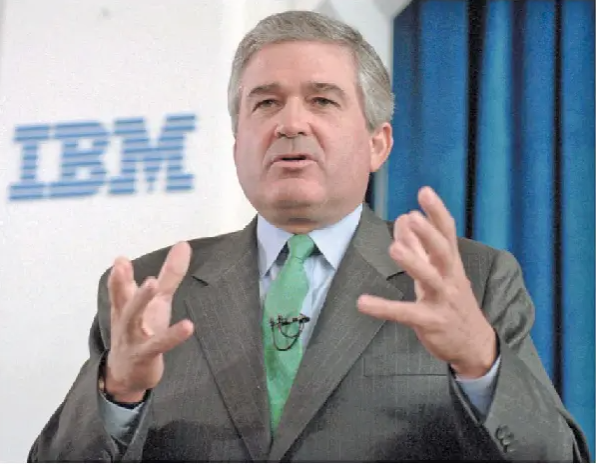
Lou Gerstner Speaking

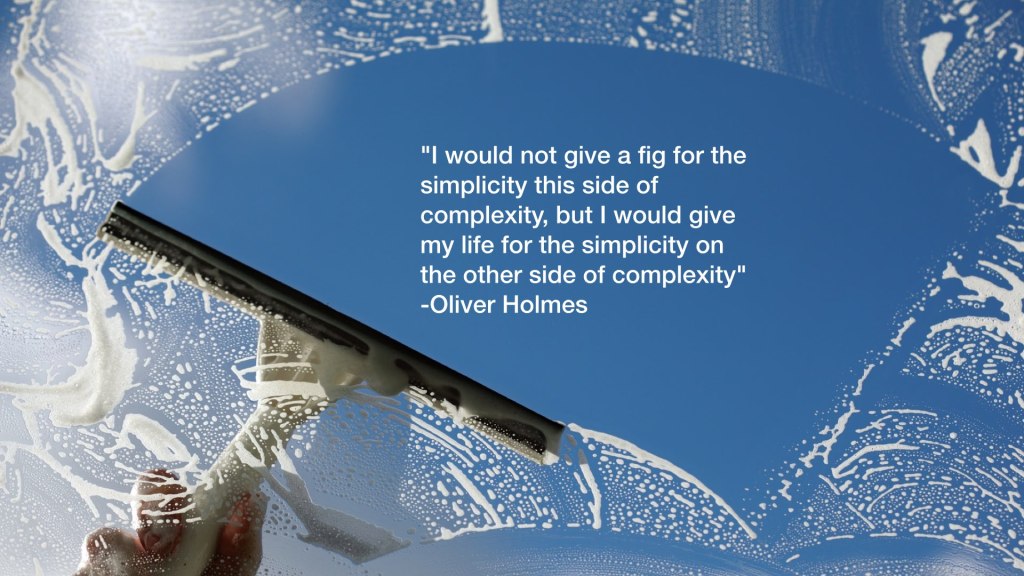
Addressing complexity with open design thinking

Sometimes its tough to see the big picture, especially when its really ugly. Our world and everyone in it are facing some ugly problems right now. They are problems that are wickedly unstructured, open ended, multi dimensional, systemic and for which there are often no solutions. Our wicked problems require a new way of thinking and a new leadership paradigm. This week the global climate strikes offered evidence of a wicked problem. Where do you begin? There are so many unique yet interconnected elements each of which seems radically unpredictable. Without directly referencing the science, suffice it to say that the debate, let alone the hope of a solution, seems beyond our control. Don’t despair. Fortunately, this week also offered some hope for our future and not just in the form of #teamgreta and the many brave climate change activists.

systemsinnovation.io

This week three global industry leaders shone a light on a new way of thinking which is credited as the kind of new management approach which our world needs now. Deloitte, IBM, and RBC joined forces to offer Nova Scotia post secondary students a taste of design thinking. The investment which these companies made in developing and delivering the two-day learning event was impressive. The scale of the event was significant, involving about 200 students from five schools all hosted at Saint Mary’s University. Yes the three corporate amigos got to see potential recruits in action and endeared themselves to a cohort of future leaders – the event helped their recruiting efforts for sure but I think the investment goes far beyond that.

Opening up the internal capabilities of these firms for others to learn and apply took a leap of faith for these three industry giants. They offered their know-how and their people in an effort to build community capacity so that we can begin to solve a growing world of wicked problems. The open source nature of the design thinking movement is evidence of healthy corporate values which help to address community and social issues – not just profit. In a world of wicked problems its nice to see some creative solutions emerge. Bravo IBM, Deloitte, RBC and all the student participants who made an investment which will make a difference and some day may get us to the other side of complexity. Post-complexity simplicity here we come!